The Loire Valley wines represent the third-largest AOC (Appellation d’Origine Contrôlée) region in France. It is the largest white-wine region in the country and the second-largest producer of sparkling wines. The length of the river, combined with a wide diversity of soils and climates, makes the Loire Valley the only French region capable of producing outstanding wines in such great variety: red, white, or rosé; still or sparkling; dry or sweet.
The Loire Valley wine region includes wines produced along the Loire River, from Muscadet near Nantes on the Atlantic coast to the Sancerre area in central France. Between these lie the renowned regions of Anjou, Saumur, Bourgueil, Chinon, and Vouvray. In total, 87 appellations are found along the river.
While the majority of production is white wine—made primarily from Chenin Blanc, Sauvignon Blanc, and Melon de Bourgogne—the region also produces notable red wines, particularly around Chinon and Bourgueil, made from Cabernet Franc. In addition to still wines, the Loire Valley is also known for its sparkling and sweet wines. After Champagne, it is the second-largest sparkling wine-producing region in France.
The white wines of Coteaux du Layon, Montlouis-sur-Loire, Savennières, and Vouvray are made from Chenin Blanc. These wines are known for their high acidity in youth and their excellent aging potential. The villages of Sancerre and Pouilly-sur-Loire are famous for crisp, fresh, and grassy Sauvignon Blanc. Some producers experiment with oak aging to add roundness and smoothness, although most winemakers prefer unoaked styles to preserve the purity of the fruit.
The villages of Bourgueil, Chinon, and Saumur are recognized for their Cabernet Franc wines—light and fruity in Saumur, and richer and more velvety in Chinon. Muscadet from the Pays de la Loire is made from the Melon de Bourgogne grape and is known for its fresh, lemony, and mineral character.
The Anjou region around the city of Angers is known mainly for its rosé wines made from Cabernet Franc with the Rosé d’Anjou and the Cabernet d’Anjou.
White wines made from chenin blanc are produced under the name of Anjou Blanc while Anjou Rouge is made from gamay.
Some of the very high quality wines are very often represented under the AOC Anjou – Villages. The region around Saumur is the third largest sparkling wine appellation in France after Champagne and Crémants d’Alsace. 12 million bottles of Saumur sparkling wine are produced each year. Unlike Champagne, which is made from chardonnay, pinot noir and pinot meunier, Saumur sparkling wines are made from chenin blanc.
The region of Saumur – Champigny produce red wines composed of Cabernet Franc which gives them a profile similar to the wines of St-Nicolas-de-Bourgueil.
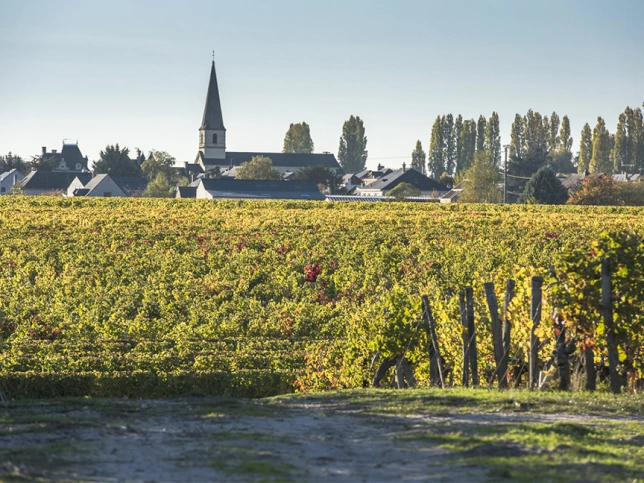
The vineyard of Bourgueil extends over 1300 hectares. The main grape variety is Cabernet Franc. The soils are composed of limestone, sand and gravel. They develop floral notes (rose, peony, violet), fruity (raspberry, cherry, plum) or spicy (pepper, walnut). Red wines produced on gravel soils are best enjoyed young. Supple and fruity, they are quickly ready to drink.
They are served around 14°C. These wines go perfectly with white or grilled meats. The reds produced on limestone soils can be kept for several years. They are served at 17°C with red meat or game. Rosé wines are rarer and go very well with cold meats and barbecues.
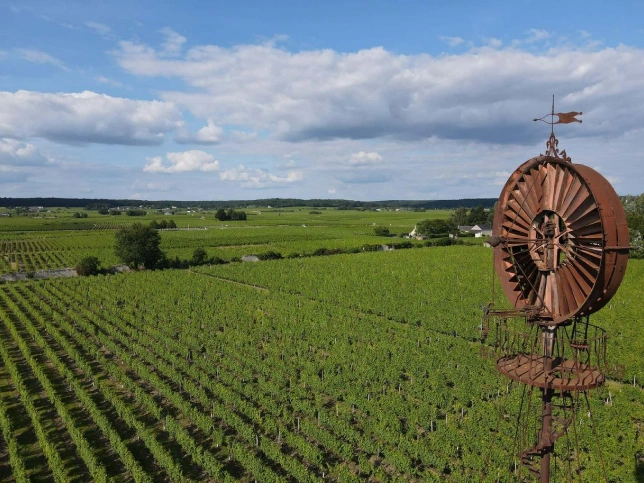
The vineyard of Chinon covers 2100 hectares. The reds are made from Cabernet Franc and the whites from Chenin, also known as Pineau de Loire.
The red wines have a cherry color. The vines planted on the gravel give light, delicate and very aromatic wines (notes of red fruits). They are pleasant from their youngest age. The clay-limestone soils with flint produce wines with more body and notes of blackberries and spices. Young wines are served at 14-15°C and older wines at 16-17°C. Depending on their characteristics, Chinon wines can be kept for 2 to 5 years and even 10 to 20 years.
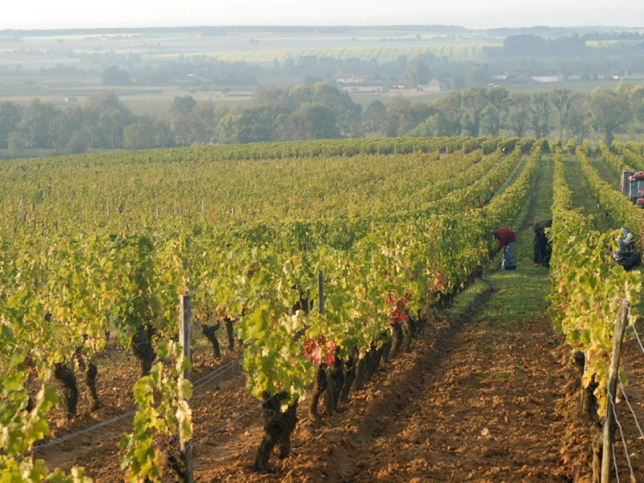
This vineyard covers 532 hectares. The white wines are composed of Sauvignon between 60 and 80%, blended with Arbois and Chardonnay. A small quantity is produced in sparkling wine. The reds are a blend of gamay and pinot noir. These light and fruity wines are made to be consumed young.
The wines of Cour-Cheverny are made from 100 percent Romorantin grapes. They are dry, tender and powerful. They have an incredible aging potential of up to 25 years for the best vintages. The Cour-Cheverny exists today thanks to King François 1er. On his return from Italy, the king stopped in Burgundy. He brought back with him 80 000 vines of Romorantin. Today, Cour-Cheverny is the only appellation using this grape variety.
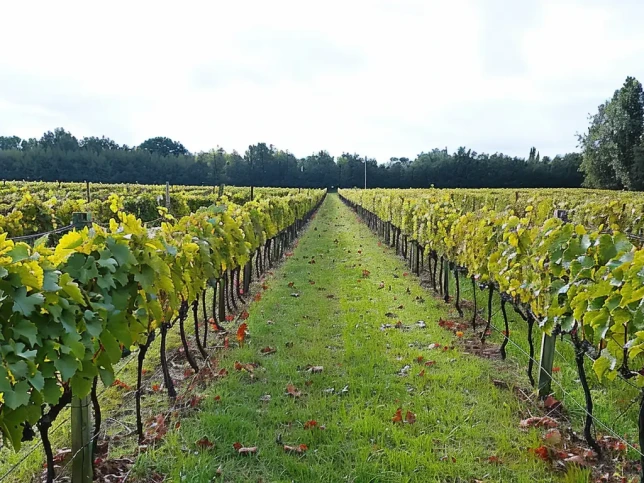
Today, the Sancerre region covers 2400 hectares. The vineyard extends from the center to the top of the hillside, especially around the town of Sancerre. It benefits from a warm microclimate and rich soil that encourages viticulture. The vines are spread over three areas. The top of the hillside, located in the west of the region, is called the “Terres blanches”. They represent 40% of the vineyard. The clay-limestone soils produce powerful wines. Between the “Terres blanches” and the top of Sancerre, are the “Caillotes”.
The gentle limestone slopes produce light and fruity wines which also represent 40% of the vineyard. To the east, the flinty soils produce fleshy wines with a distinctive bouquet. The white wines are made from Sauvignon Blanc. They develop lemony notes. They are dry, round and fresh at the same time. They can be drunk young but some have a real potential for aging. The rosés and reds are made of pinot noir. They have a beautiful cherry color and a floral nose. These wines are very balanced, between power and finesse.
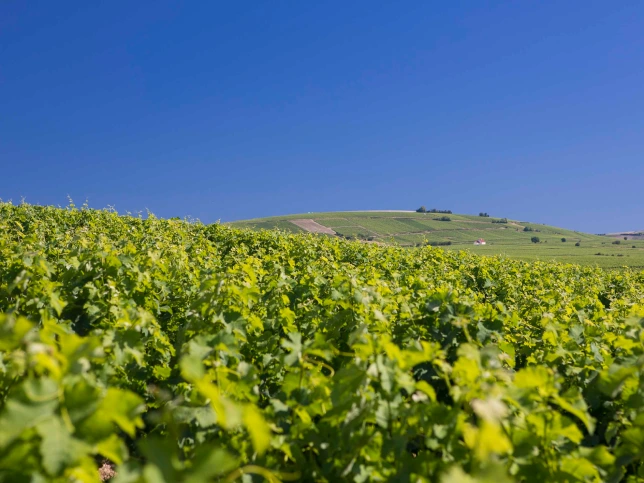
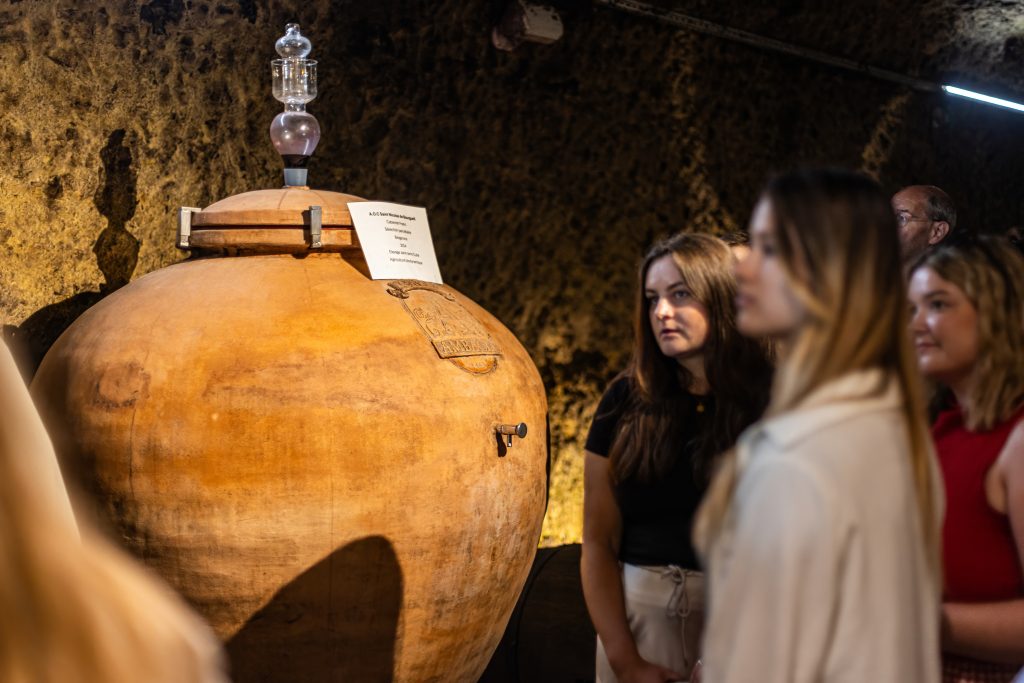
The winegrowers of the region built in the limestone magnificent troglodyte cellars similar to the regions of Champagne or Saint Emilion. Their function was to preserve their wines in ideal conditions in terms of temperature and humidity. The regions around Vouvray and Montlouis-sur-Loire are among those with the greatest diversity of plantings for white, red and rosé wines. For white wines, Chenin Blanc is the main grape variety but Sauvignon Blanc and Chardonnay are also found. For the red wines, Cabernet Franc predominates along with Cabernet Sauvignon, Gamay and Malbec. The rosé wines are the product of a blend of gamay, pineau d’aunis, pinot gros and pinot noir.
The villages of Vouvray and Montlouis-sur-Loire represent the region producing the most white wines resulting from the chenin blanc. Dry, semi-dry, sweet and sparkling wines are produced. The sweet wines are the result of noble rot following late harvests. The best vintages have an incredible aging potential of more than 40 years. Sparkling wines are produced with the traditional method. The bubbles come from a second fermentation in the bottle, the prise de mousse. Vouvray and Montlouis-sur-Loire were in the 16th century the region of the kings of France. Today, these villages produce a royal grape variety, the chenin blanc!
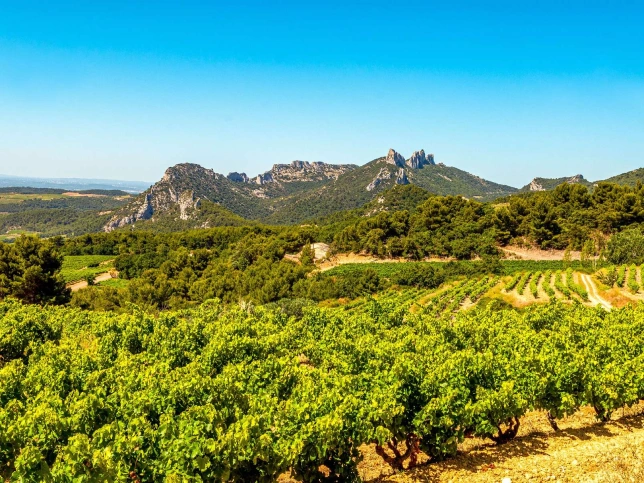
An emblematic grape variety of the Loire Valley, Chenin produces elegant and expressive wines. It is distinguished by its vibrant freshness and aromas of apple, pear and white flowers, sometimes enhanced by honeyed or mineral notes. Highly versatile, it can be vinified as dry, off-dry, sweet or sparkling wines.
Grown in the Loire Valley since the Middle Ages, Chenin owes much of its development to monastic communities, which helped establish its presence and reveal its remarkable ability to express terroir.
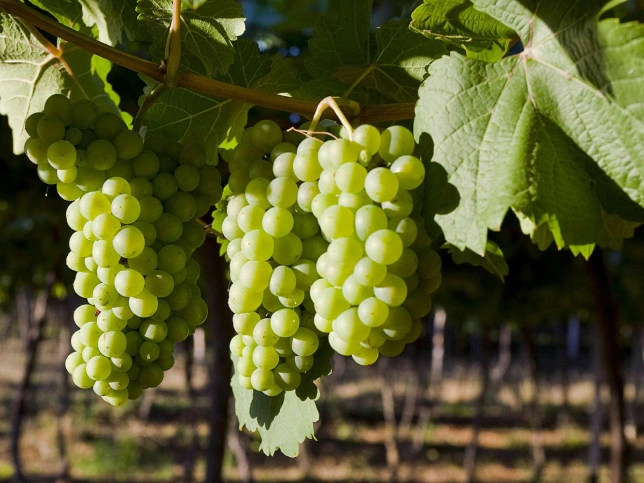
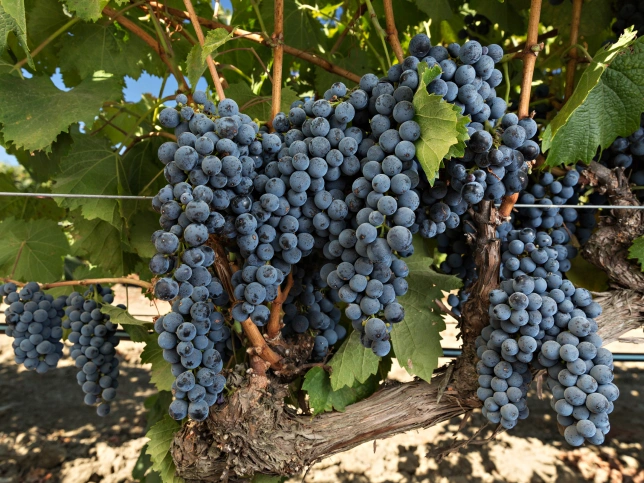
A flagship red grape of the Loire Valley, Cabernet Franc produces refined and well-balanced wines. It displays aromas of red berries, violet and subtle vegetal notes. Fresh and supple, it is appreciated for its drinkability and ageing potential.
Introduced to the Loire Valley in the 17th century, notably by the Abbey of Bourgueil, Cabernet Franc is the parent grape of Cabernet Sauvignon, born from a natural cross.
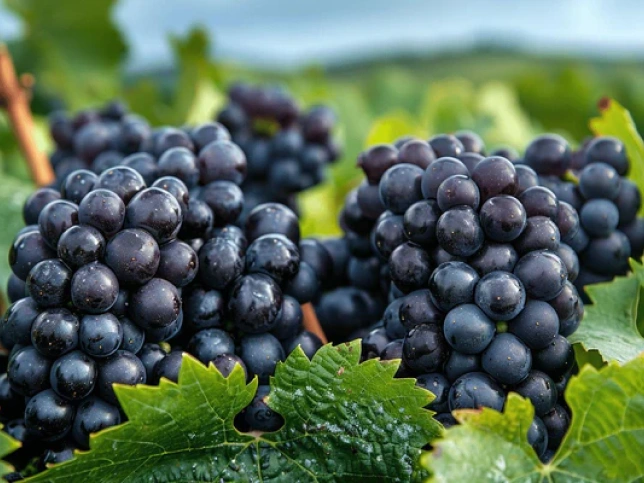
Renowned for its liveliness and aromatic intensity, Sauvignon produces fresh, vibrant wines. Typical aromas include citrus fruits, exotic fruits and blackcurrant bud, often supported by a pronounced minerality. A grape variety synonymous with purity and freshness.
Originating from the Centre-Loire and South-West France, Sauvignon established itself as a major variety in the 18th century and is now cultivated worldwide.
A grape variety with strong character, Cot produces deep, structured wines. It reveals aromas of black fruits, spices and sometimes liquorice. Its generous palate and firm tannins make it a powerful wine, ideal for pairing with bold dishes.
Native to South-West France and historically planted in the Loire Valley, Cot was widely grown before the phylloxera crisis. Today, it is enjoying a revival, expressed through more refined and balanced styles.